 NexGPU-算力租赁,GPU服务器,GPU云算力,AI服务器租用-新闻博客
If you tried to order a batch of the latest AI servers in mid-July 2026, the delivery times quoted by hardware vendors might leave you disheartened. According to the latest industry tracking data, lead times for mainstream data center GPUs have generally stretched to 36 to 52 weeks, meaning it could take up to a year from placing an order to actually having the hardware racked and running.
With such an extremely tight supply chain, how can you ensure your team's R&D continues without interruption? An increasing number of companies are realizing that computing power leasing is no longer a backup plan but a necessity for ensuring business continuity. Even in the cloud, however, the way computing power is obtained is undergoing profound changes.
The Double Squeeze of Power Shortages and Chip Scarcity: GPU Lead Times Extend to 52 Weeks
According to a report released by a research institution on July 19, 2026, the expansion of AI data centers is hitting an invisible wall—power supply. The institution projects that by 2027, 40% of existing AI data centers worldwide will face operational restrictions due to electricity shortages.
The electricity required for new AI servers is expected to reach 500 terawatt-hours (TWh) annually, nearly 2.6 times the level seen in 2023. The construction cycle for power grids, typically measured in years, lags far behind the explosive growth in computing demand.
This means the core of the "computing power shortage" extends beyond the chips themselves. Often, even if companies secure GPU allocations, the servers may not be powered on and racked in time due to insufficient power, cooling systems, or grid connectivity at data centers.
On the chip supply side, the situation is equally challenging. Lead times for chips from major hardware suppliers are currently stable at around 9 to 12 months. Even large buyers with long-term partnerships face waits of 8 to 16 weeks for high-density interconnect SXM modules. For small and medium-sized teams without substantial budgets, the barrier to directly purchasing physical hardware has risen to unprecedented levels.
Price Divergence Between New and Old Chips: Which Computing Power Leasing Strategy Is More Cost-Effective?
With hardware becoming harder to obtain, secondary-market leasing prices for computing power have shown clear structural divergence. In the latest market data from July 2026, prices for NVIDIA's new-generation GPUs like B200 and B300 have nearly doubled over the past year due to a significant increase in high-bandwidth memory (HBM3e) costs. Industry reports predict that by the end of this year, continued memory cost inflation could push B200 procurement costs up by an additional 20%.
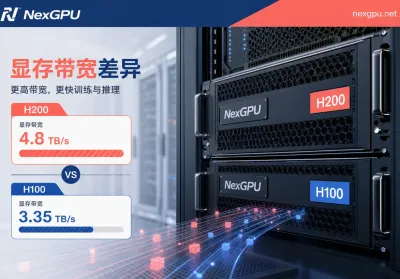
This surge in chip manufacturing costs has directly impacted rental prices at emerging cloud service providers. To secure cash flow, many computing power providers have raised monthly and annual rental rates for the latest GPUs. In contrast, previous-generation H100 and H200 GPUs have not depreciated as quickly as some analysts predicted, maintaining strong price resilience.
The price difference between emerging cloud providers and established hyperscale cloud providers for the same GPUs ranges from 40% to 85%. This makes choosing the right channel more important than choosing the right chip when selecting a computing power leasing service. Platforms like NexGpu, which aggregate global idle high-spec computing resources, offer cost-effectiveness far below traditional giants while ensuring supplies of mainstream GPUs, making them a safe haven for many small and medium R&D teams under cost pressure.
Shift in Core Computing Metrics: From Single-Card Performance to System Utilization
At the just-concluded 2026 World Artificial Intelligence Conference, industry experts repeatedly reached a consensus: large-scale computing systems with 100,000 cards have been deployed, but single-card performance is no longer the sole golden metric. Effective computing power utilization has become the latest evaluation standard for computing cost-effectiveness.
Many AI R&D teams have discovered in practice that despite renting expensive top-tier GPUs, their daily GPU utilization often lingers at low levels due to insufficient network bandwidth, high data read latency, or suboptimal software optimization.
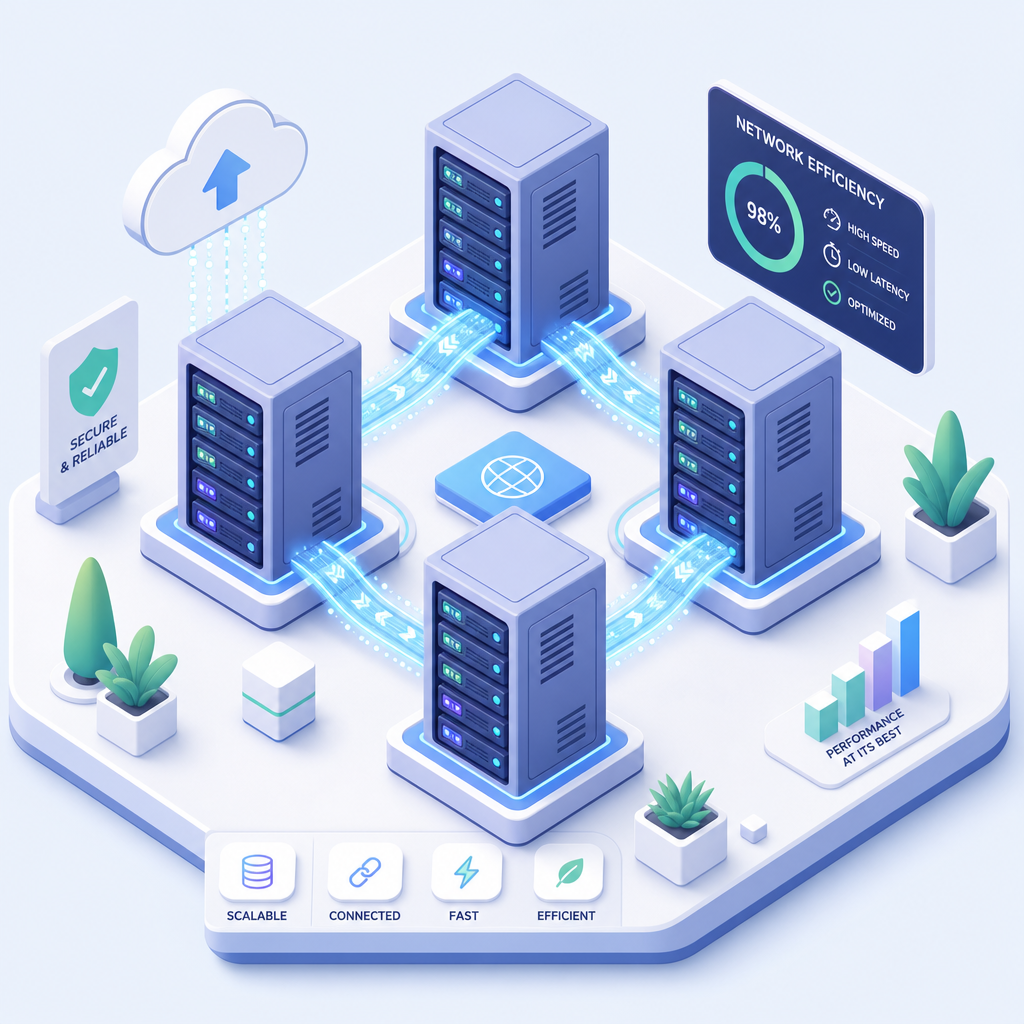
This systemic performance waste is particularly glaring in a market where computing power is precious. Especially in multi-card interconnected training scenarios, communication efficiency between nodes often matters more than single-card performance in determining overall training speed. Without systemic optimization, blindly expanding hardware scale will only cause leasing funds to drain away invisibly.
Therefore, when selecting hardware configurations, R&D teams need to evaluate not only how fast the cards run, but also the supporting network architecture, memory size, and framework compatibility.
How Small AI Teams Can Break Through Amid Supply Gaps
With the dual constraints of power bottlenecks and extended lead times, computing power can no longer be viewed as an elastic IT resource that can be procured on demand. Given the expected persistently tight supply environment over the next year, how can you hedge supply chain risks through computing power leasing? The following strategies are worth considering:
- Lock in long-term baseline computing power in advance: Treat computing power as constrained infrastructure with a 6- to 18-month development cycle. Communicate with providers early to lock in core training capacity and avoid project disruptions due to shortages.
- Mix old and new GPUs: Don't chase the newest high-end chips exclusively. Use more cost-effective H100 or H200 in scenarios with lower network requirements, such as inference and fine-tuning, and combine with flexible rental policies from platforms like NexGpu for dynamic scheduling.
- Optimize underlying communication and memory: Improve effective GPU utilization by adopting more efficient distributed frameworks and optimizing caching mechanisms, reducing idle computing resources caused by memory walls and data loading latency.
- Leverage elasticity differences of emerging clouds: Pay attention to price gaps between emerging computing networks and traditional hyperscale clouds. Migrate non-core experimental and testing traffic to more cost-effective providers to balance the overall R&D budget.
As the computing power supply structure undergoes profound reorganization, those who can shift their procurement mindset from "buying equipment" to "operating systems with precision" will gain a first-mover advantage in the next phase of AI application competition.


Comments(0)